


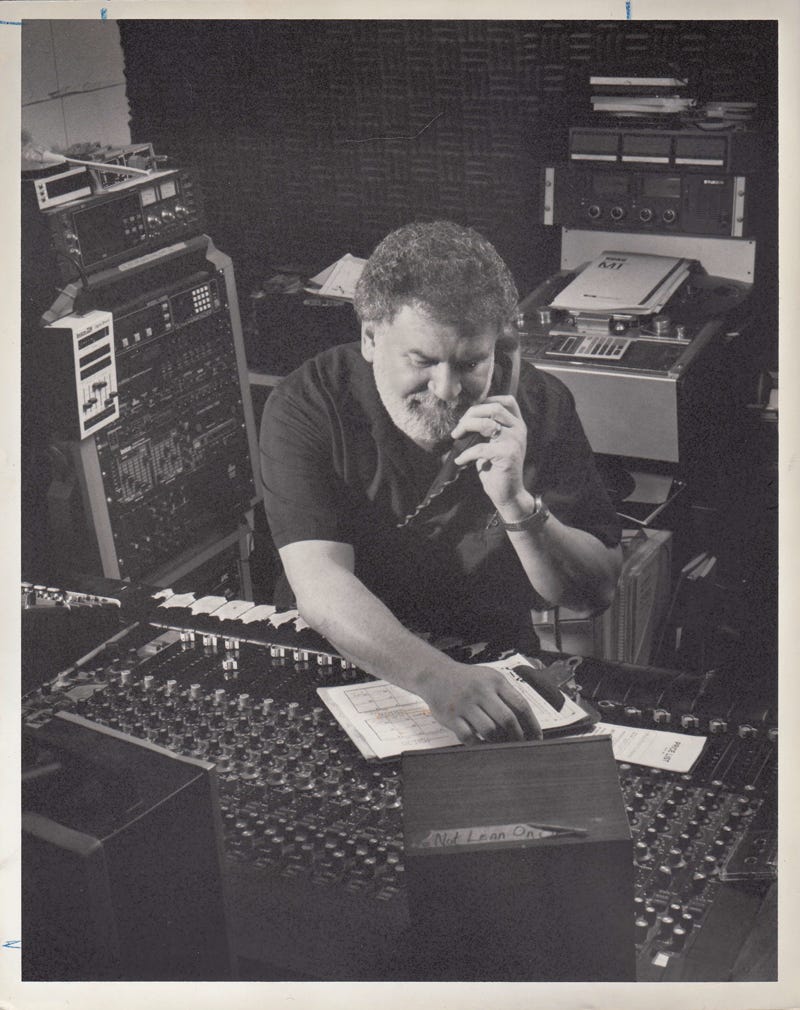
Born in 1939 in the SouthSide of San Antonio, Manuel “Manny” R. Guerra Jr. was introduced to music early. His mother Lucia, a piano player, often had music playing at their family business next door, “the Tasty Tamale Company.” With the support of his father, Manuel Guerra Sr., he learned to play the accordion, lap steel, and piano. However, through his teacher’s encouragement at Burbank Jr High, he learned to play the snare drum, which eventually led to a full-on drum set that Manny Jr. purchased himself, and the rest was set in motion.
Already a multi-instrumentalist, Manny joined his first band, the Creepers, at the age of 16 as a drummer. Manny described the Creepers’ sound as “sophisticated Latin music with a flavor of jazz.” Still just a teenager, Manny then started to play with Jazz guitarist and his trio, Jack Skiles, and then bandleader and pianist, Larry Herman. At seventeen, Manny would drop out of Burbank to marry his high school sweetheart and gig full time. He eventually joined the band of legendary bandleader and saxophonist Isidro Lopez. Guerra would ride the Greyhound bus back and forth between San Antonio and Corpus Christi every week to play with Isidro and his band; he did this for a few years until fatigue eventually caught up with Manny, and he decided to leave the band. The year was now 1961, and Manny’s little brother, Rudy Guerra, started his garage band with another southside kid named Ildefonso Ozuna, otherwise more famously known now as Sunny Ozuna. Manny decided to join the band as their drummer and bandleader, and they soon became “Sunny & the Sunglows.”
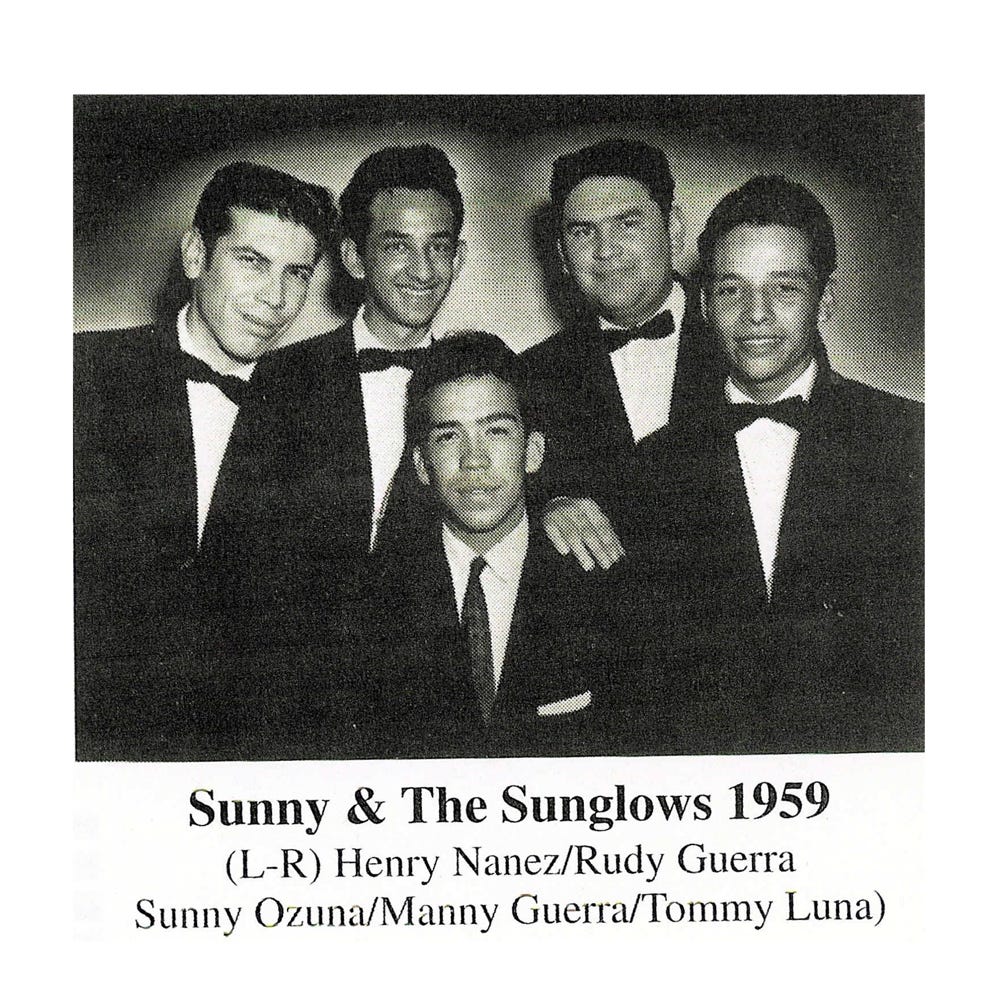
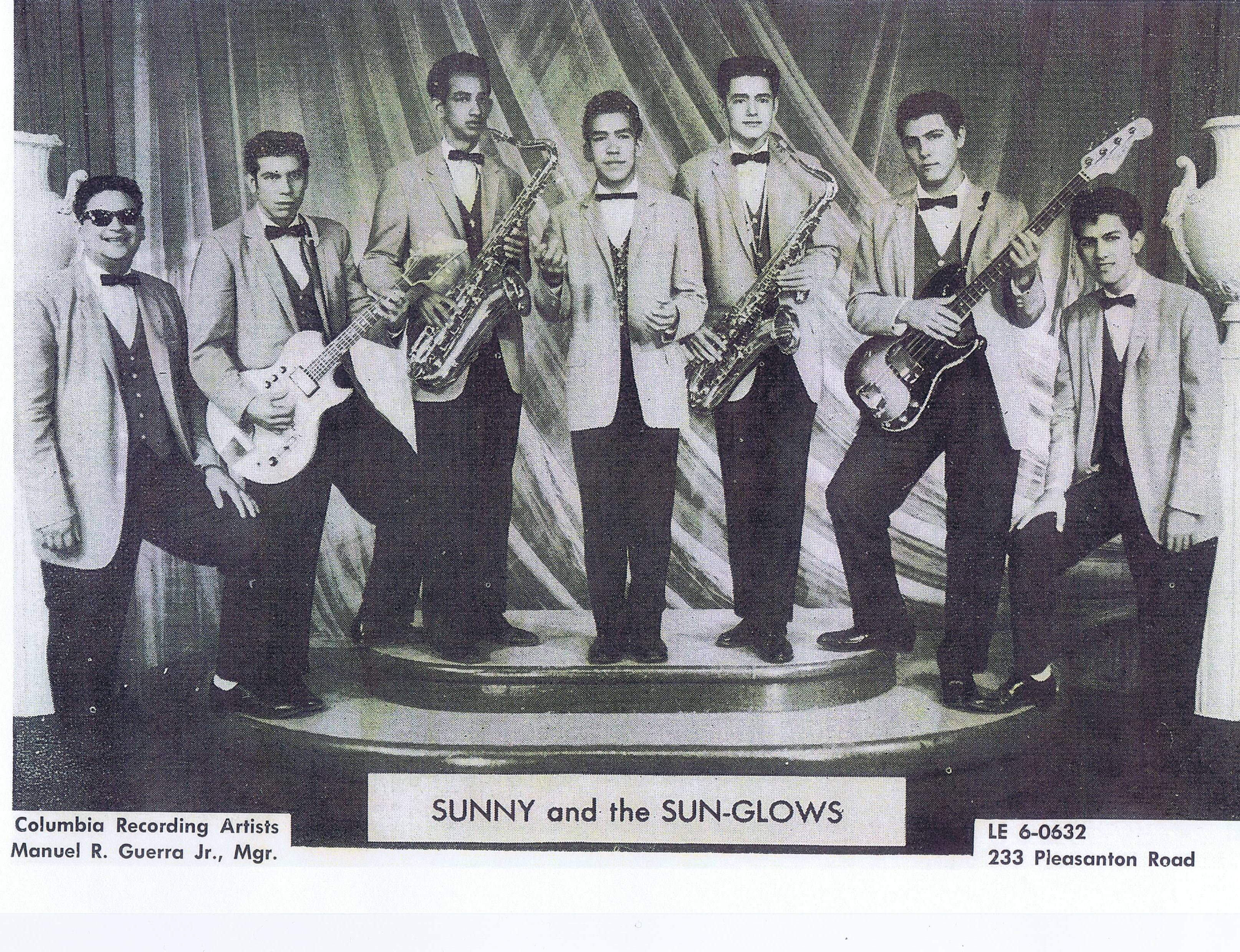
Now under Manny’s direction, Sunny & the Sunglows recorded their first single for the Sunglow label titled, “Golly Gee.” At the suggestion of Guerra, in ‘63, they covered & recorded Little Willie John’s hit, “Talk To Me,” which was ultimately picked up by Louisiana native Huey “the Crazy Cajun” Meaux’s Tear Drop Records. The single kickstarted the band, gave them national attention and led them to Dick Clark’s American Bandstand to perform Talk to Me. Through the advice of Huey Meaux, Sunny left the Sunglows in ‘63 and formed his own band, the Sunliners, to record under the Tear Drop label. Devastated, Manny & the Sunglows pushed on performing all over San Antonio & Texas at dances, car shows, & clubs, sounding tighter than ever.
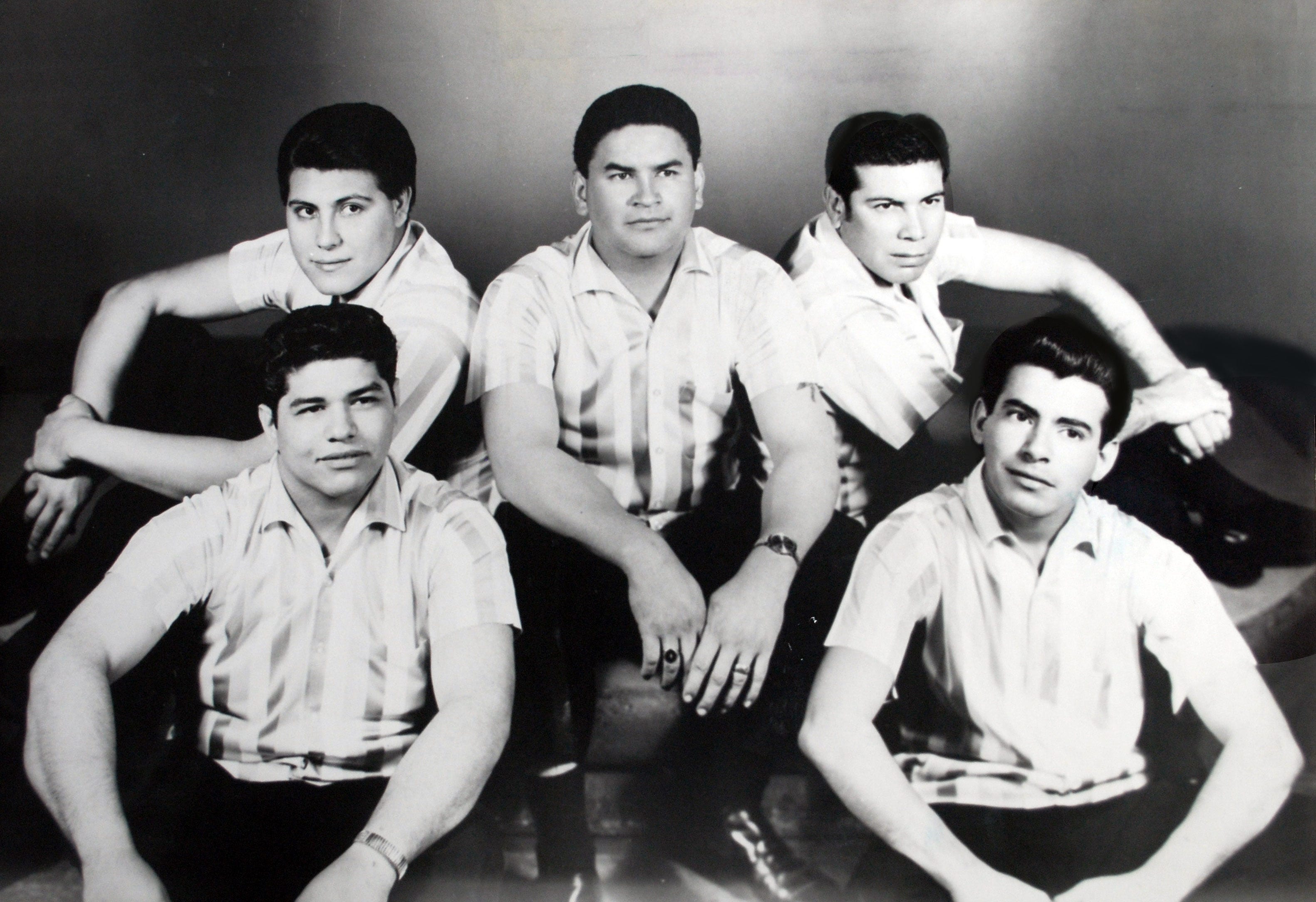
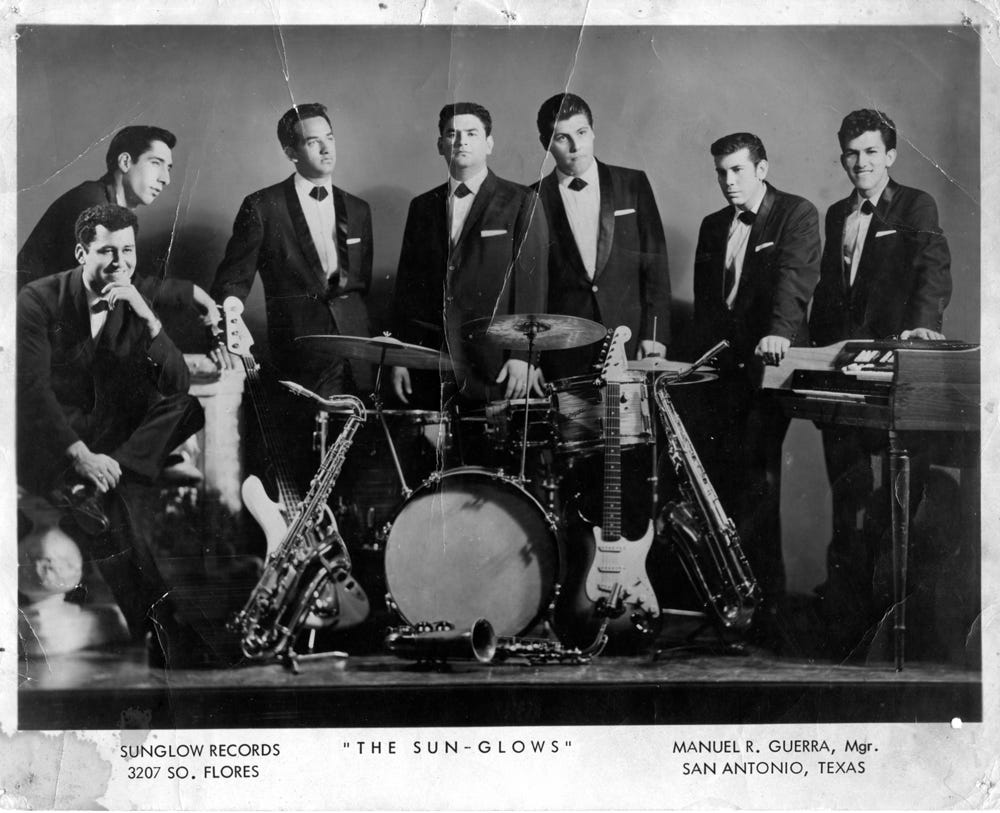
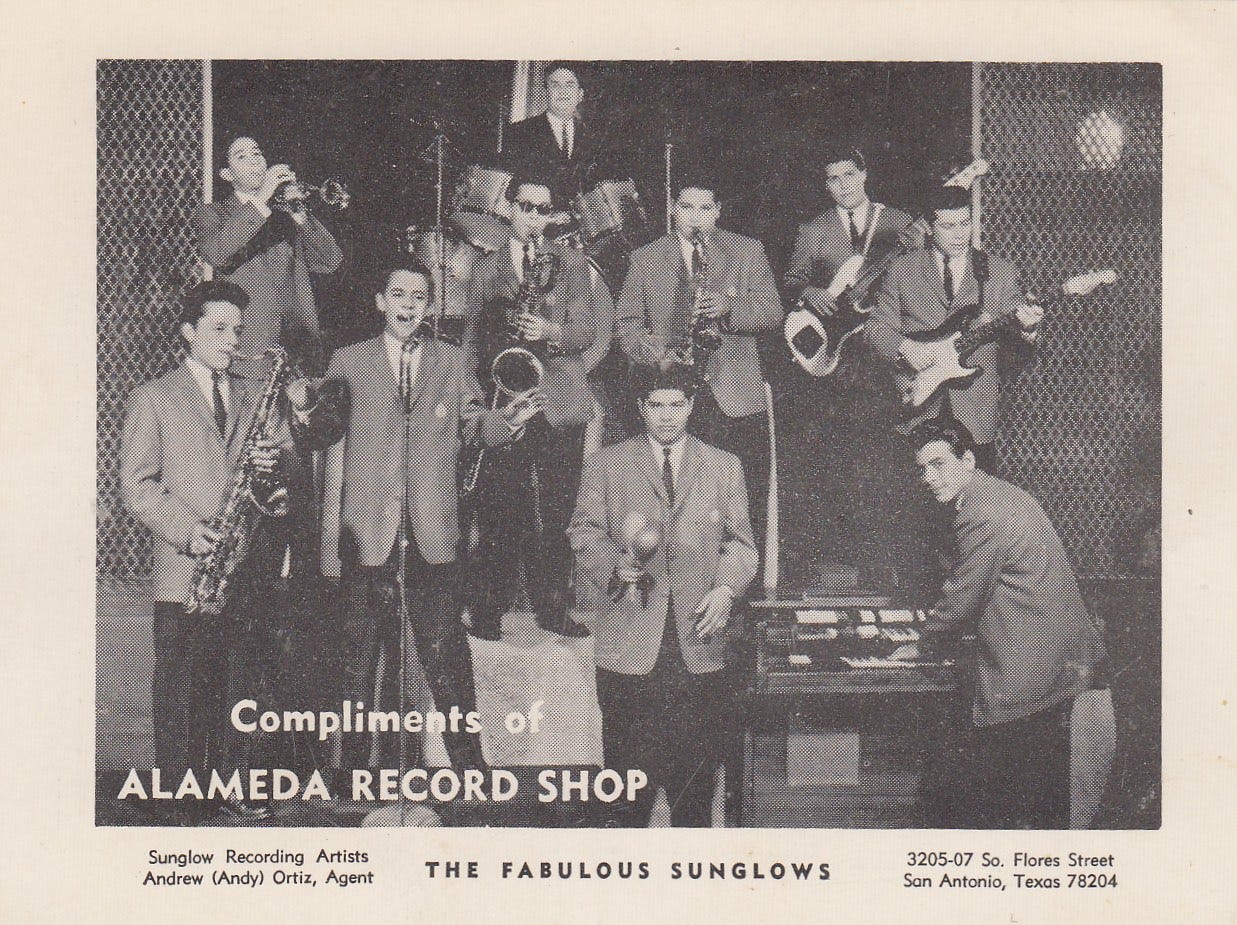
In 1968 Manny saw an opportunity to rent a little space on 3205-7 S. Flores — he painted the outside orange and white (a tribute to his alma mater) and opened up a record store called Amen Records. Manny would gather all the singles the Sunglows recorded, package them together and sell them as a bundle. However, musicians all over town kept coming to his shop seeking his advice on songs, arrangement, and production. Being infatuated with the creative process, Manny could not resist getting himself back behind the recording console. Guerra decided to expand his space with the bike shop closing down next door, and soon Amen Records became Amen Recordings Studio. Armed with an Ampex four-channel mono mixer, B3 organs, Farfisa, and various improvised recording devices, Manny would go on to engineer groups like the Royal Jesters, Latin Breed, vocalists Little Jimmy Edward & Joe Bravo, Tortilla Factory, Joe Gallardo & Sol, and the legendary funk outfit, Mickey & the Soul Generation. Like Abie, Manny established multiple labels like Amen Records, Guerra Company Productions (GCP), Mr. G, Guerra Productions, and RP, to name a few. By the 70s, Manny produced countless Tejano acts like David Marez, La Mafia, and a young woman from Lake Jackson, Texas, Selena Quintanilla. Manny was the bridge between the West Side Sound and Tejano music.
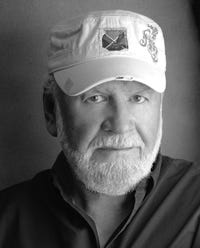


Manny Guerra has since left the secular music world but was still heavily involved with recording Christian and gospel music. In 2006, Manny sold most of his catalog to EMI, Universal, and Capital for an undisclosed amount and has since written and published his first book, “Tejano Music Award Producer.” An autobiography that details his life as a record producer and engineer in the industry. On Friday, December 12th, 2025, Manny passed away surrounded by his loved ones. The legacy he leaves behind reaches far beyond San Antonio and the music industry itself, but it is permanently rooted in San Antonio, where the West Side Sound was shaped, recorded, and carried forward.
Acknowledgements: A big thank you to Jesse Garcia — my dear friend and historian for helping with photos from his archive.
Manny was a reluctant interview subject, and gaining his trust took years. The following audio is a raw, unedited interview recorded years ago over coffee at a diner. It offers a candid portrait of Manny—intelligent, humorous, and deeply committed to his faith.